If you are torn between a condo and a rowhouse in Columbia Heights, you are asking the right question. In this part of DC, both property types can make sense, but they support very different budgets, routines, and long-term plans. The good news is that you do not have to guess. When you compare price, monthly costs, upkeep, and how you actually want to live, the right fit usually becomes much clearer. Let’s dive in.
Why this choice matters in Columbia Heights
Columbia Heights offers a mix that draws many buyers in the first place. It has a major commercial core, historic housing, and direct access to the Green and Yellow lines at the Columbia Heights Metro station near 14th and Irving. WMATA notes that the station is within walking distance of shopping, local eateries, and Mt. Pleasant, which helps explain why buyers often compare condos and rowhouses here.
The neighborhood also sits in an active market. Current snapshots vary by source, but they point to a market that is moving without feeling overheated. Redfin reports a March 2026 median sale price of $653,600 and 112 days on market, while Realtor.com shows 192 homes for sale, a median listing price of $649,900, and a 98% sale-to-list ratio.
That matters because your decision is often less about whether Columbia Heights fits and more about which kind of home fits you best once you decide on the neighborhood. In many cases, the condo versus rowhouse question comes down to space, monthly carrying costs, and how much responsibility you want to take on.
Columbia Heights condos at a glance
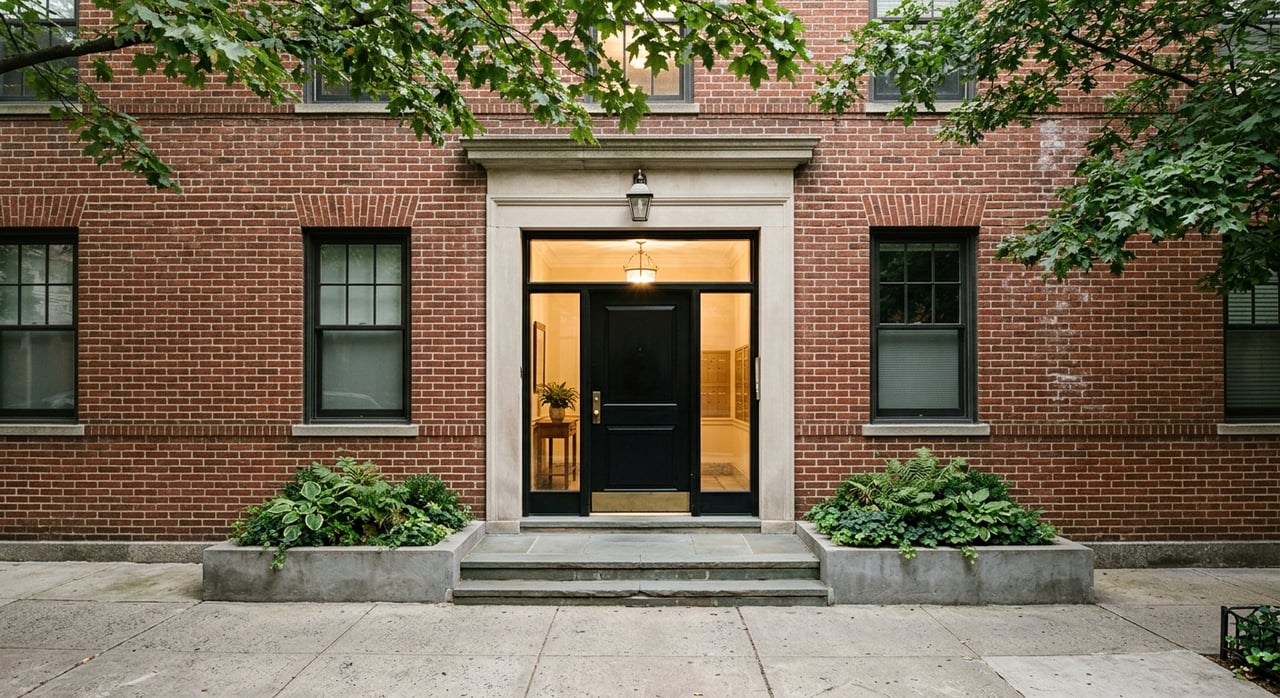
Condos usually offer a lower entry point than rowhouses in Columbia Heights. Redfin’s neighborhood condo page shows 91 homes at a median listing price of $500,000, while Realtor.com’s condo page shows 145 homes. In the current Realtor.com sample, listings range from about $179,524 to $1,999,999, with many units landing roughly in the low $300,000s to $700,000s.
That broad range gives buyers options. You may find a smaller starter condo, a larger newer unit, or something in between that keeps you close to Metro, shops, and restaurants. For many buyers, that lower upfront cost is the biggest reason condos stay on the shortlist.
What condo fees usually cover
The tradeoff is the monthly association fee. The Consumer Financial Protection Bureau says HOA dues can range from a few hundred dollars a month to more than $1,000 a month, and current Columbia Heights condo listings show examples such as $422, $546, and $838 per month.
Those dues can cover a lot. Current listing examples mention items such as heat, water, trash, snow removal, landscaping, laundry facilities, professional management, sewer, gas, common area maintenance, exterior building maintenance, custodial services, and reserve funds. The exact coverage depends on the building, so this is one of the most important details to review before you buy.
Why some buyers prefer condos
A condo can make daily life simpler. The CFPB notes that condo associations usually handle shared maintenance such as roofs and shared structures, and condo fees often include master insurance for common areas. That can mean less exterior upkeep on your plate.
In practical terms, condos often work well if you want a more lock-and-leave lifestyle, a lower purchase price than many rowhouses, and less responsibility for outside repairs. If your schedule is full or you want easy access to transit and neighborhood amenities, a condo may line up well with how you want to live.
Where condos can feel limiting
The convenience comes with tradeoffs. That monthly fee does not go away just because the unit needs little attention that month. You also have less control over building decisions, shared spaces, and some maintenance timelines than you would in a rowhouse.
If you care a lot about autonomy, storage, outdoor space, or having room to expand your setup over time, these limits can start to matter. A condo may still be the right move, but it is worth being honest with yourself about what might feel tight after a year or two.
Columbia Heights rowhouses at a glance
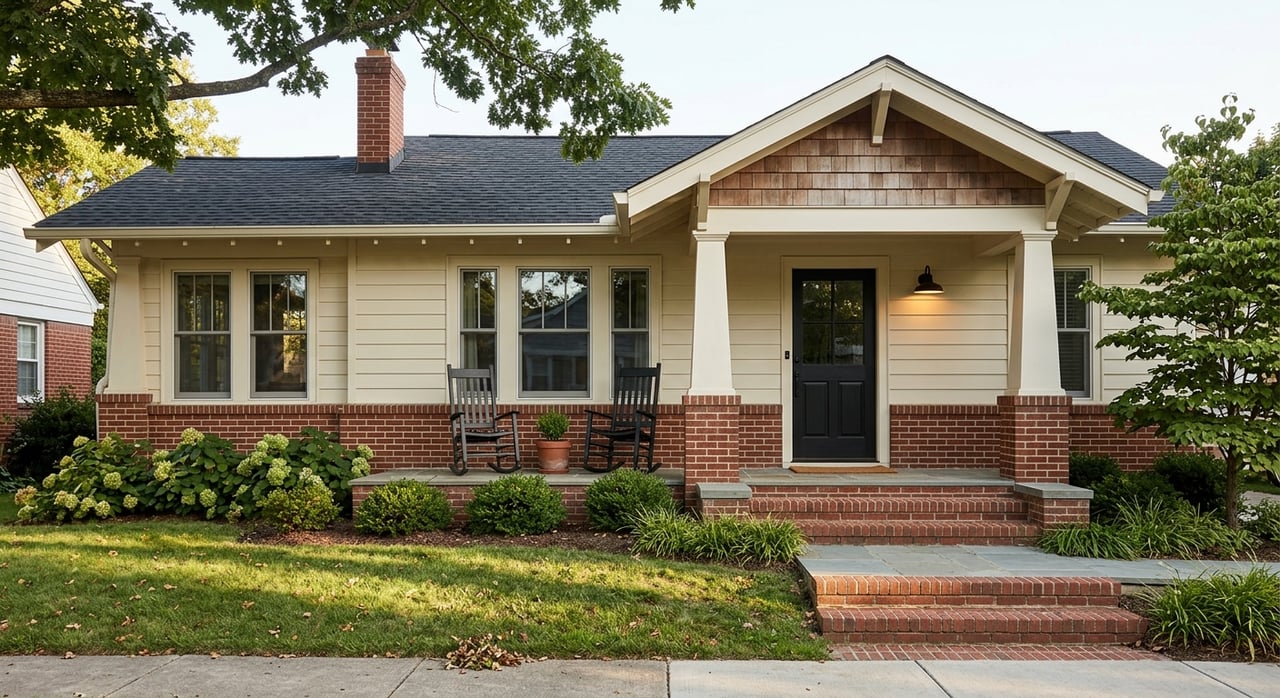
Rowhouses appeal to buyers who want more space and more control. Realtor.com’s Columbia Heights townhome page shows 73 homes, with current examples ranging from $499,999 for a 2-bedroom, 1-bath, 832-square-foot home to $1.388 million for a 6-bedroom, 5.5-bath, 3,557-square-foot property. Other examples cluster around roughly $649,000 to $1.15 million.
In general, rowhouse-style homes in the current sample are larger than condos. That extra square footage can support a home office, guest space, storage, or a layout that feels more flexible for the long term. In a neighborhood where many buyers want both city access and room to breathe, that matters.
Why some buyers prefer rowhouses
A rowhouse often gives you a more traditional DC home experience. You usually get more privacy, more separation between living spaces, and often some amount of outdoor space. You also have more freedom to renovate and customize over time.
That level of control is a big advantage if you expect to stay put for several years. The DC Office of Planning describes Ward 1 as containing many rowhouse-dominated neighborhoods, and that local housing pattern is part of what makes rowhouses such a defining option in Columbia Heights.
What rowhouse ownership asks of you
The main tradeoff is maintenance. The CFPB says homeowners are responsible for maintenance and repairs, from small fixes to major items like roof replacement, and should budget for taxes, insurance, utilities, and upkeep.
For a Columbia Heights rowhouse, that usually means you are the one thinking about the roof, masonry, windows, gutters, HVAC, plumbing, and any yard or exterior work. You may have a simpler monthly payment structure than a condo owner because many rowhouses do not carry the same condo-fee setup, but you absorb more repair risk and more decision-making.
Compare the monthly cost, not just price
This is where many buyers get tripped up. A condo may have a lower list price, but the monthly HOA fee can materially change your total carrying cost. A rowhouse may cost more upfront, but if there is no condo fee, the monthly picture can look more competitive than you expected.
The CFPB recommends budgeting for mortgage principal and interest, property taxes, homeowners insurance, HOA fees, maintenance, and utilities. Looking at all of those together gives you a much clearer answer than comparing headline prices alone.
In DC, the residential property tax rate is $0.85 per $100 of assessed value. That works out to about $4,250 per year on a $500,000 assessment and about $5,525 per year on a $650,000 assessment before deductions.
A simple side-by-side checklist
When you compare a condo and a rowhouse in Columbia Heights, review these items side by side:
- Purchase price
- Estimated monthly mortgage payment
- Monthly condo or HOA dues, if any
- Property taxes
- Homeowners insurance
- Utilities
- Expected maintenance and repair budget
- Commute and Metro access
- Parking needs
- Storage needs
- Outdoor space
- How long you expect to stay
That last point is especially important. Your best choice is not always the home with the lower payment today. It is often the one that matches your likely timeline and your real lifestyle.
Think about your weekends, not just your wishlist
A lot of buyers focus on square footage first. That matters, but your weekly routine often tells you more. If you do not want to spend weekends coordinating repairs, researching contractors, or handling exterior upkeep, a condo may feel much easier.
On the other hand, if you want room to spread out, entertain, garden a bit, or shape the home over time, a rowhouse may be worth the extra responsibility. The better question is not “Which property type is better?” but “Which property type fits how you actually live?”
Time horizon can break the tie
If you expect a shorter or busier ownership period, a condo may be easier to manage. If you expect to stay longer and can handle the upkeep, a rowhouse often makes more sense. This follows the CFPB’s guidance that buyers should prepare for maintenance costs and stay long enough for buying and selling costs to make sense.
In Columbia Heights, where both housing types are common and the neighborhood sits in a similar price band to nearby close-in Northwest areas like Park View, Pleasant Plains, and Mount Pleasant, this choice often becomes highly personal. Two homes may both fit your budget on paper, but only one may fit your energy, habits, and long-term plans.
How to decide with confidence
If you feel stuck, start with the all-in monthly number. Then look at your commute, your parking needs, your comfort with maintenance, and how much space you really need now versus later. Once those pieces are on the table, the condo-versus-rowhouse decision usually gets much less abstract.
That kind of step-by-step comparison is where patient guidance can make a big difference. If you want help sorting through Columbia Heights options with a clear eye on budget, lifestyle, and long-term fit, connect with Floyd Gómez-Starnes.
FAQs
What is the main difference between a condo and a rowhouse in Columbia Heights?
- In Columbia Heights, condos usually offer a lower purchase price and less exterior upkeep, while rowhouses usually offer more space, more privacy, and more control over the property.
How much do condo fees affect affordability in Columbia Heights?
- Condo fees can significantly change your monthly cost. Current examples in Columbia Heights include monthly dues such as $422, $546, and $838, so it is important to compare the full monthly carrying cost, not just the list price.
Are rowhouses in Columbia Heights usually more expensive than condos?
- Based on current listing snapshots, rowhouses are often priced higher than condos and are generally larger, with examples ranging from about $499,999 to $1.388 million on the current townhome page.
What should buyers budget for when choosing a Columbia Heights home?
- Buyers should budget for mortgage principal and interest, property taxes, homeowners insurance, HOA fees if applicable, utilities, and ongoing maintenance or repair costs.
Is a condo or rowhouse better for living near Columbia Heights Metro?
- Either can work well near Metro, but condos often appeal to buyers who want a more convenient, lower-maintenance lifestyle close to transit, shopping, and restaurants.
How do property taxes work for a home in Washington, DC?
- DC’s residential property tax rate is $0.85 per $100 of assessed value, which is about $4,250 annually on a $500,000 assessment and about $5,525 annually on a $650,000 assessment before deductions.