There is a scrap-metal motorcycle bolted to the sidewalk in front of a restaurant on Laurel Avenue, and kids climb on it like it's playground equipment. Most of them have no idea it is a memorial. Longtime residents know better. The sculpture honors a real Takoma Park character from the 1990s: a cat named Motor Cat, who spent years riding around town on the back of her owner's Suzuki 500 motorcycle in her own custom helmet, famous enough locally that people still stop and point. The restaurant behind that statue is Motorkat, and it opened inside the exact building that used to house Republic, the neighborhood spot it is quietly standing in for.
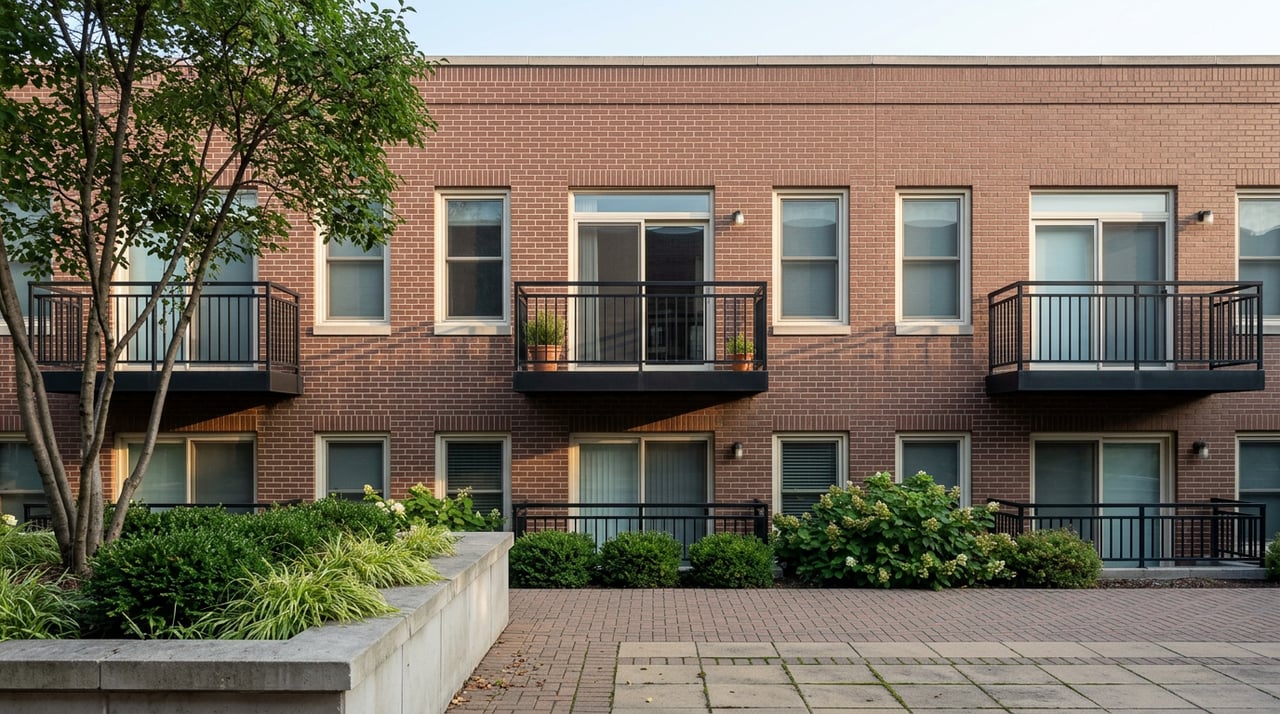
That detail is the whole story of Takoma Park in 2026. The neighborhood is not swapping its old character for new construction. It is putting new money into the same footprints, under names that still answer to the old stories.
The buildings keep winning
Look at where the newest openings actually landed. Motorkat took over 6939 Laurel Ave, formerly Republic, and the Washington Post's review this past May leaned into exactly that continuity, describing the wood-grilled pork chop and the raw bar as a fresh menu wrapped around an old neighborhood in-joke that residents still recognize on sight.
A few doors down, Muoi Tieu did something similar in reverse. It started as a Vietnamese food truck parked around Takoma Park back in December 2022, then graduated into its first brick-and-mortar home this year at 7006 Carroll Ave, the address that used to belong to Mark's Kitchen, a diner that closed after decades in that spot. The new menu runs gluten-free and vegan Vietnamese dishes next to home-style plates, but the building itself is the one generations of residents already knew how to find.
Then there is Cielo Rojo, which did not just reopen somewhere new, it grew into somewhere new. The Mexican restaurant relocated to 7212 Carroll Ave in Takoma Junction, into a space reportedly four times the size of its original location, a former car repair shop transformed rather than demolished. The name did not change. The neighborhood it serves did not change. What changed is that a business residents already trusted got room to seat more of them.
None of this is a coincidence of available real estate. It is a pattern. When a Takoma Park storefront turns over, the next tenant tends to keep faith with what was there before, sometimes literally naming the concept after a piece of local folklore. That is not what most close-in Washington neighborhoods look like when investment arrives. Usually growth means chains, or at least anonymity. Here it means Motor Cat gets a statue.
Two markets, two economies, same Sunday habit
Takoma Park runs on more than restaurant turnover, and the clearest proof is Sunday morning behind the shops on Laurel Avenue, where the Takoma Park Farmers Market sets up from 9 a.m. to 1 p.m. The market has been running since 1983, which puts it in its 43rd season this year, and it still requires everything sold there to be produced within 125 miles of Takoma Park. Late summer means blueberries, peaches, plums, cherries, and the market's annual Garlic Festival, when the season's cured harvest becomes the headline attraction for a couple of hours.
That is one food economy. A few blocks away, on Wednesday afternoons, the Crossroads Farmers Market runs a very different model near University Boulevard East. It was the first farmers market in Maryland to accept SNAP and WIC benefits as payment, and the first market in the country to launch a matching "double dollar" program, letting eligible shoppers stretch their benefits into up to fifty dollars of free produce a week. Crossroads marks its 20th season this year, running weekly from late April through late November.
Two markets, four blocks apart, serving the same zip code on different days with different missions. That is not redundancy. It is what it looks like when a neighborhood's food access is actually load-bearing rather than decorative.
The venue that almost lost its address, twice
Rhizome DC sits just over the Takoma line at 6950 Maple St NW, a converted single-family house that has hosted concerts, art shows, and workshops since 2015. In 2020, word spread that the building's owners had a contract in place to sell the property, half-acre lot included, to a developer. The venue's future looked settled, and not in its favor.
Instead, the opposite happened. A $350,000 grant from the DC Commission on the Arts and Humanities, paired with community fundraising and a nontraditional loan structure that avoided a major bank altogether, let Rhizome's board start buying a second building rather than simply relocating out of one. As of this spring, the organization is waiting on a building permit to renovate a property it now owns at 7733 Alaska Ave NW, with an estimated completion before the end of this year. In the meantime, the original Maple Street house is still hosting shows most nights of the week, the same way it always has.
A venue that was supposed to be a casualty of Takoma Park's development pressure is on track to end 2026 running two buildings instead of zero. That is a harder outcome to predict than the usual story about DIY arts spaces losing ground to redevelopment, and it is worth knowing if you assumed the opposite.
What a weekend here actually contains
Put the pieces together and a typical late-summer weekend in Takoma Park looks something like this:
- Sunday morning at the farmers market behind Laurel Ave, timed around whatever the Garlic Festival or the next seasonal pop-up happens to be
- A walk or bike ride down the Sligo Creek Trail, which connects to more than 25 miles of interconnected trail and runs wide enough for strollers under a full woodland canopy
- Two sections of Sligo Creek Parkway close to cars on weekends, which is the easiest window for taking kids or bikes down the path without worrying about traffic
- An afternoon at Takoma-Piney Branch Park, where the trails follow the actual Piney Branch stream and kids spend most of their time looking for frogs
- Dinner on Carroll Avenue, where Motorkat, Cielo Rojo, and Muoi Tieu now sit within a few blocks of each other, each one occupying a building the neighborhood already had feelings about
None of this requires planning weeks ahead. It requires knowing which Sunday the market is running its next themed event, and which Friday Rhizome or the Old Takoma Business Association has something on the calendar. The neighborhood's rhythm rewards residents who already live inside it more than it rewards a one-time visitor working from a list.
The point
The easy assumption about a neighborhood this close to Washington is that growth eventually flattens what made it distinct. Takoma Park in 2026 is doing something less obvious. The restaurants filling its storefronts keep choosing the same addresses their predecessors held, sometimes literally building their identity around a piece of neighborhood folklore rather than erasing it. The arts venue that was supposed to be a casualty of development pressure is finishing its second building instead of losing its first. The two farmers markets four blocks apart aren't competing, they're covering different needs on different days, the way they always have.
That is not nostalgia dressed up as data. It is what continuity looks like when you track where the money and the buildings actually went, instead of assuming the worst about what comes next.
If you already live here, none of this requires an agent. But if you are the kind of person who reads a piece like this and starts wondering what your own corner of Takoma Park is actually worth in a market that behaves this way, or you know someone weighing a move into a neighborhood that keeps its old buildings occupied instead of replacing them, that is a conversation Floyd Gómez-Starnes is always glad to have. Let's Connect.