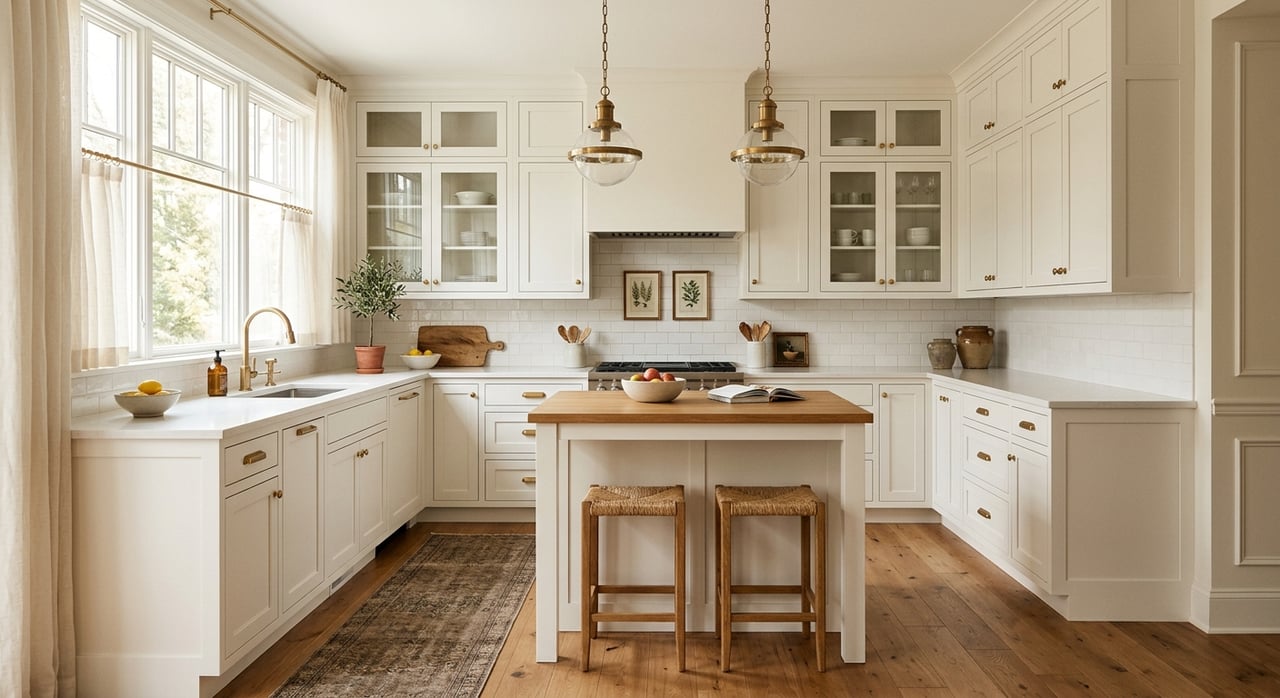
If you are getting ready to sell in Chevy Chase, you may be wondering how much work is actually worth doing before your home hits the market. That is a smart question, especially in an area where many homes are older, buyers notice condition quickly, and pricing power still depends on presentation. The good news is that you usually do not need a full remodel to make a strong impression. With the right prep plan, you can focus on the updates that help your home show well, photograph well, and avoid preventable surprises. Let’s dive in.
Why prep matters in Chevy Chase
Chevy Chase is a high-value market with a mostly owner-occupied housing base. Census data shows a 75.9% owner-occupied rate and a median owner-occupied home value of $1,245,000, with much of the housing stock made up of detached homes.
It is also a market with older homes. A large share of homes were built before 1960, including 22.3% from 1950 to 1959, 17.6% from 1940 to 1949, and 12.1% in 1939 or earlier. That means buyers often pay close attention to upkeep, systems, and how well the home has been prepared for sale.
Recent market data also points to a selective environment. Redfin reported a median sale price of $1,314,214 for the three months ending May 2026, with 19 median days on market and a 99.6% sale-to-list ratio. At the same time, both Redfin and Zillow data show under-list sales and price drops still happening, which is a reminder that strong preparation and disciplined pricing matter.
Focus on what buyers notice first
The highest-value prep steps are usually the simplest ones. According to the 2025 National Association of Realtors staging report, the most commonly recommended seller prep items were decluttering, whole-home cleaning, and curb appeal improvements.
That lines up well with what works in Chevy Chase. In many homes here, buyers are responding less to highly personal upgrades and more to whether the home feels well cared for, bright, functional, and move-in ready.
Before you spend on larger projects, start with the basics:
- Declutter every major space
- Deep clean the whole home
- Improve curb appeal
- Address obvious defects buyers will spot right away
- Refresh lighting, paint, and worn finishes where needed
These steps can improve both in-person showings and online presentation, which matters because buyers often form opinions from listing photos before they ever schedule a tour.
Start with a seller prep checklist
A clear checklist can help you stay focused and avoid over-improving. Here is a practical order of operations for a Chevy Chase seller.
1. Declutter room by room
Decluttering is one of the most important first steps. It helps rooms feel larger, cleaner, and easier for buyers to understand.
Go space by space and remove extra furniture, stacks of paper, personal collections, and anything that makes storage areas feel cramped. In a home with generous room counts, clean visual flow helps buyers appreciate the layout instead of getting distracted by belongings.
2. Deep clean everything
Whole-home cleaning is not glamorous, but it has real impact. Buyers notice dust, streaks, hard-water buildup, worn grout, and cooking odors almost immediately.
Pay special attention to kitchens, bathrooms, floors, windows, trim, and light fixtures. In older homes, cleanliness also helps buyers separate normal age from actual deferred maintenance.
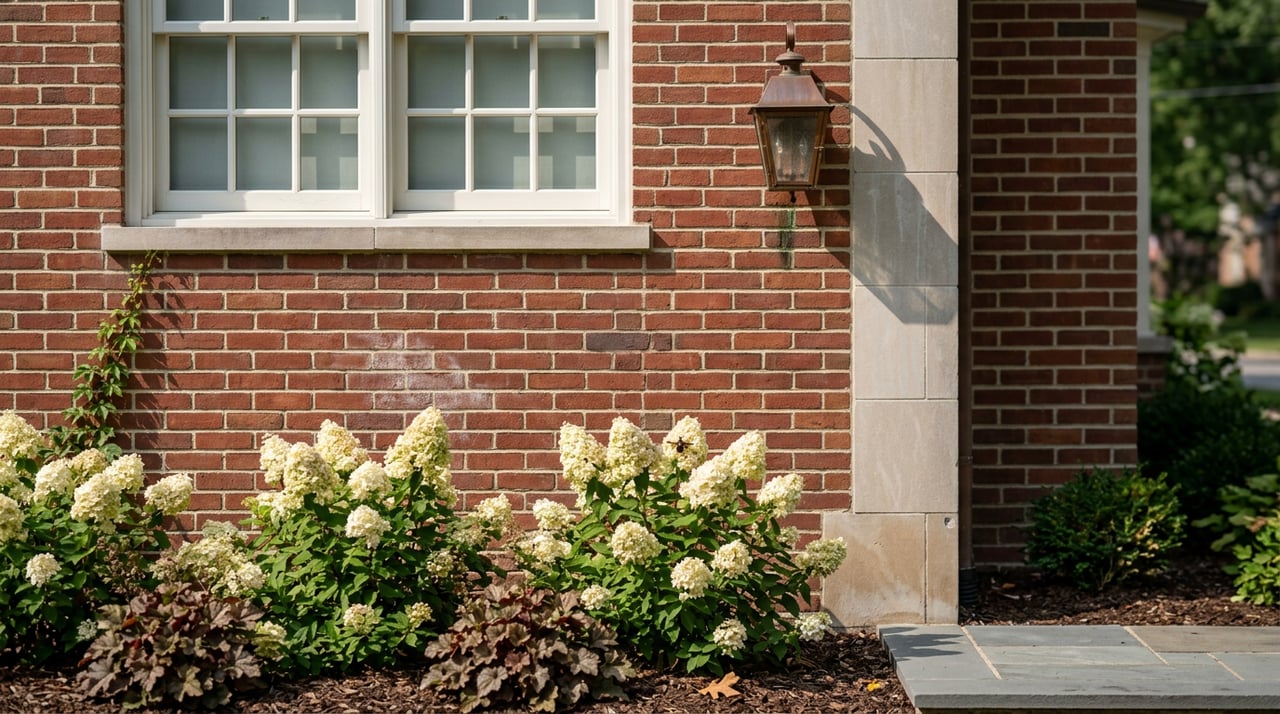
3. Boost curb appeal
Curb appeal sets the tone before buyers walk in. NAR’s report found it was one of the top recommendations sellers received before listing.
Simple updates can go a long way:
- Mow and edge the lawn
- Trim shrubs and tree limbs
- Clear leaves and debris
- Add fresh mulch if needed
- Clean the front steps and walkway
- Touch up the front door and visible exterior paint
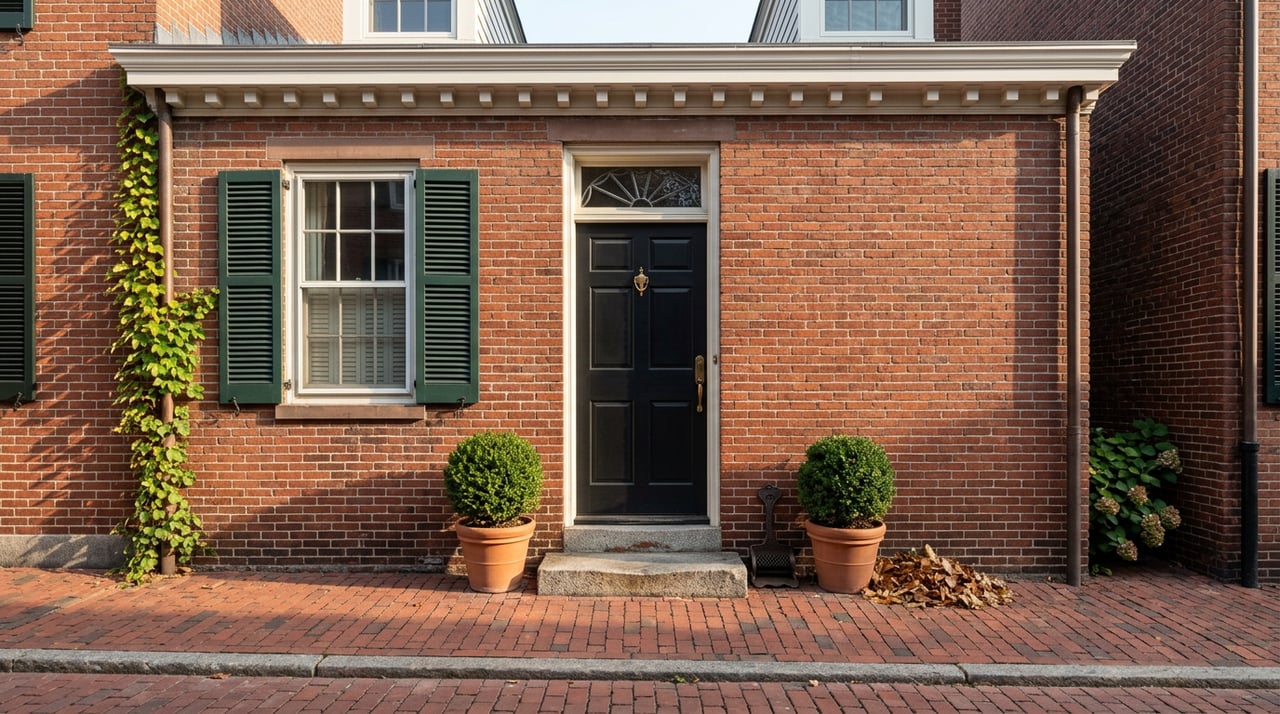
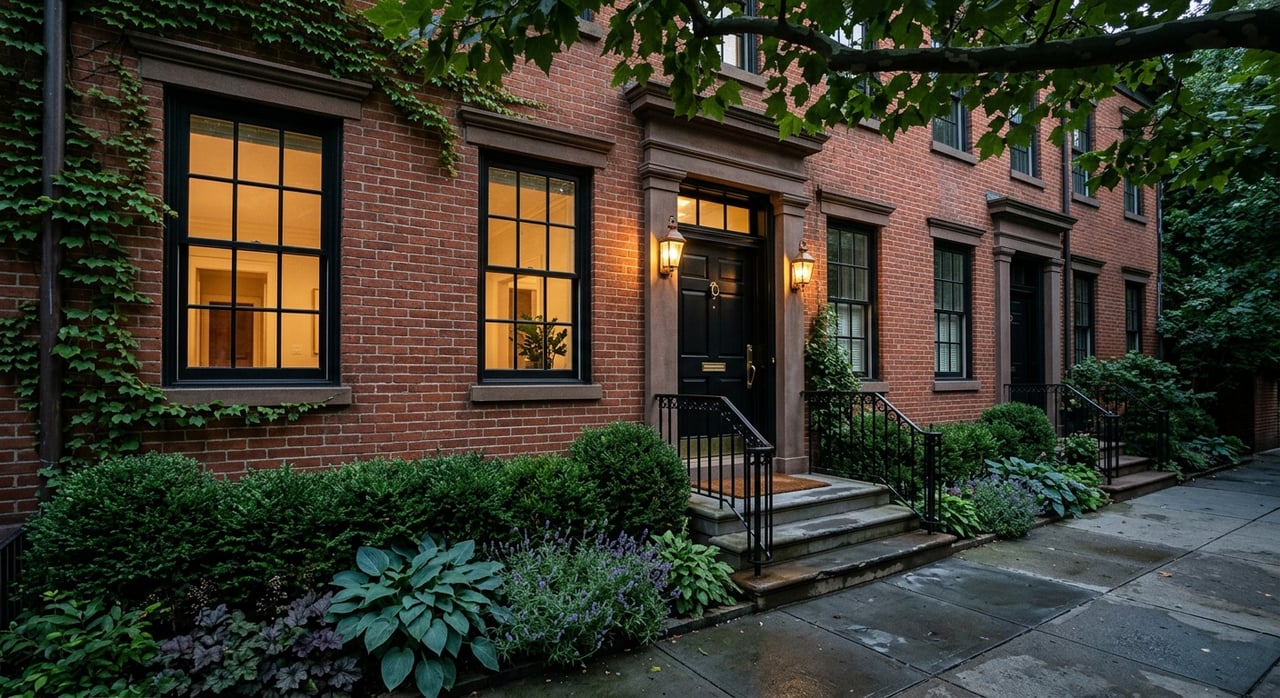
Chevy Chase homes often benefit from mature landscaping and classic architecture. A tidy, polished exterior helps highlight those strengths.
4. Fix obvious issues
Buyers tend to react strongly to visible defects, even when the repair itself is minor. A dripping faucet, peeling paint, missing handrail, cracked switch plate, or sticking door can create a general sense that more serious maintenance may be hiding underneath.
Start with the defects a buyer will see in the first few minutes. Main living spaces, the kitchen, bathrooms, and the front entry are especially important.
5. Refresh, do not over-customize
In most cases, a thoughtful refresh beats a major remodel. Better lighting, fresh paint, clean finishes, and small cosmetic repairs often do more for market appeal than expensive upgrades based on personal taste.
That is especially true in a market where many homes are older and buyers may already be planning their own long-term changes. Your goal is to present a home that feels cared for and easy to step into, not to guess every design choice a future buyer might want.
Stage the rooms that matter most
You do not have to stage every room to make an impact. The 2025 NAR report found that the living room, primary bedroom, dining room, and kitchen were the spaces most commonly staged.
If you are deciding where to invest time or money, start there. These rooms tend to shape a buyer’s emotional response and help tell the story of how the home lives day to day.
Staging also supports buyer visualization. In NAR’s survey, 83% of buyers’ agents said staging made it easier for buyers to see the property as a future home, and 17% said staging increased the dollar value offered by 1% to 5%.
A few practical staging priorities include:
- Create clear furniture arrangements
- Remove oversized or extra pieces
- Use simple, neutral decor
- Maximize natural light
- Keep surfaces mostly clear
- Make beds, dining areas, and seating areas feel intentional
The same report included a useful cost reference point. The median cost of a professional staging service was $1,500, compared with $500 when the seller’s agent handled staging.
Prepare for photos and tours
Today’s buyers usually meet your home online first. NAR reported that buyers’ agents viewed photos as especially important, followed by physical staging, videos, and virtual tours.
That means prep should be done with photography in mind, not just showings. Bright rooms, clean counters, open sightlines, and balanced furniture placement often read better on camera.
Before photography day, make sure you:
- Replace burned-out bulbs
- Open blinds or curtains where appropriate
- Hide cords and small countertop items
- Clear refrigerator doors and bulletin boards
- Remove pet items when possible
- Put away daily-use toiletries and cleaning products
A home that photographs clearly can generate stronger early interest, which can matter in a market where some listings still sit longer or need price reductions.
Consider a pre-list inspection
In Chevy Chase, a pre-list inspection can be especially helpful because much of the housing stock is older. While it is optional, it can help you identify issues before buyers do and reduce the chance of surprise repair requests or credits later.
Maryland’s seller disclosure law applies to single-family residential real property improved by four or fewer single-family units. Before contract, sellers must provide either a disclosure statement or a disclaimer statement on the state form.
Even with a disclaimer, known latent defects that pose a direct health or safety threat still must be disclosed. The state framework points sellers to items such as the roof, foundation, basement, plumbing, electrical, HVAC, infestation, hazardous materials, water and sewer systems, smoke alarms, and carbon monoxide alarms.
A pre-list inspection does not replace the buyer’s right to inspect. It can, however, give you time to decide what to repair, what to disclose, and how to present the home with fewer last-minute surprises.
Check permits before starting work
Some pre-list updates are simple, but not every project is permit-free. Montgomery County says additions, decks, electrical work, HVAC replacement, interior alterations, and exterior work on historic property will likely need permits.
By contrast, many like-kind updates such as painting, floor coverings, gutters, storm windows, and windows or doors that do not change the opening size usually do not require permits. The county also reminds owners to check municipality and HOA requirements.
If you are making repairs before listing, it is worth confirming the permit status before work begins. That can help you avoid delays, paperwork issues, or questions from buyers later.
Verify historic review requirements
Some Chevy Chase properties may be affected by historic review rules. If your home is in a designated historic district, certain exterior changes may require a Historic Area Work Permit.
County guidance says additions, porch changes, siding changes, window changes, masonry paint removal, and other exterior alterations can require review. Interior work and ordinary exterior maintenance generally do not.
If you are planning exterior prep beyond routine maintenance, verify historic status early. That small step can keep a pre-list project from turning into a timeline problem.
Keep lead-safety in mind
Because many Chevy Chase homes were built before 1978, lead-safe work practices can matter during pre-list preparation. EPA guidance says renovation, repair, and painting work in homes built before 1978 must use lead-safe work practices.
Buyers of most pre-1978 housing also have a right to know known lead information before signing a contract. If your prep involves disturbing older painted surfaces, build that into your planning from the start.
The smartest prep plan is usually balanced
In a market like Chevy Chase, the best results often come from a balanced approach. You want your home to feel clean, cared for, and easy for buyers to understand, without spending heavily on upgrades that may not improve your outcome.
That usually means prioritizing presentation, visible condition, and thoughtful decision-making. When your home is prepared well, priced with discipline, and brought to market with a clear plan, you give yourself a better chance at a smoother sale.
If you are thinking about selling and want a calm, practical strategy for what to do first, what to skip, and how to prepare without chaos, Floyd Gómez-Starnes can help you make a plan that fits your home and timeline.
FAQs
What should a Chevy Chase seller fix first before listing?
- Start with decluttering, deep cleaning, curb appeal, and obvious defects in the main living areas. These steps usually deliver more value than jumping straight into a major remodel.
How much staging does a Chevy Chase home need?
- Focus first on the living room, primary bedroom, dining room, and kitchen. Those are the rooms most often staged and most likely to help buyers picture how the home lives.
Is a pre-list inspection worth it for an older Chevy Chase home?
- It can be very useful, especially in older homes where issues with systems or condition may affect negotiations. It does not replace the buyer’s inspection, but it can help you prepare and reduce surprises.
Do cosmetic updates in Montgomery County need permits?
- Sometimes no, but not always. Like-kind updates such as painting and floor coverings are usually permit-exempt, while projects like electrical work, HVAC replacement, decks, and some interior alterations often need permits.
What should a Chevy Chase seller know about historic review?
- If your property is in a designated historic district, some exterior changes may require county review and a Historic Area Work Permit. It is best to verify that before starting exterior work.
What should a Chevy Chase seller know about lead safety before listing?
- If your home was built before 1978 and your prep work disturbs painted surfaces, lead-safe work practices may apply. Known lead information for most pre-1978 homes must also be shared with buyers before contract.