A buyer who has purchased in Bethesda or closed on a rowhouse in DC walks into an Arlington condo deal with a set of assumptions. Sellers disclose problems. Forms spell out the roof, the HVAC, the basement. If something goes wrong later, there was a paper trail.
Virginia does not work that way. The seller's disclosure form you'll sign in Arlington mostly tells you the opposite: the owner makes no representations about the property's condition, and it is your job to find out for yourself. That single difference in default rule changes what protects you in a condo purchase, and it puts the real weight of due diligence on a document most out-of-state buyers have never heard of: the resale certificate.
This matters more than usual right now. Arlington's condo segment fell roughly 7.4% in 2025, the weakest-performing property type in the county, with 2026 recovery expected to hinge on which buildings are financially sound and which aren't. The document that tells you which kind of building you're buying into isn't the one everyone stares at during ratification. It's the one almost nobody orders on day one.
Three Jurisdictions, Three Different Promises
If you've bought or sold across state lines in the DMV, you've likely felt the whiplash without naming it. Here's the shape of it:
| Jurisdiction | Default rule | What the seller actually provides |
|---|---|---|
| Virginia | Caveat emptor (buyer beware) | A disclosure statement confirming the seller makes no representations about condition; buyer is directed to inspect |
| Maryland | Seller must choose | Either an affirmative disclosure of known conditions, or a disclaimer, but known latent defects still must be disclosed either way |
| Washington, DC | Mandatory disclosure | A required Seller's Property Disclosure Statement, with no standard disclaimer option for most residential sales |
Virginia sellers can't lie if you ask a direct question, and licensed agents carry a higher duty under the Realtor Code of Ethics to flag known, adverse, material facts. But there's no legal requirement that a seller volunteer what they know the way Maryland or DC sellers must. If you're used to a four-page disclosure spelling out the water heater's age, the Virginia version can feel thin by comparison. It's supposed to feel thin. The system assumes you'll inspect.
That difference alone is worth knowing before you write an offer. But for a condo, it's only half the picture.
The Certificate That Does the Real Work
Virginia law requires something separate from the general property disclosure when the sale involves a condominium: a resale certificate. This is the document that actually tells you what you're buying into as a unit owner, not just a homeowner.
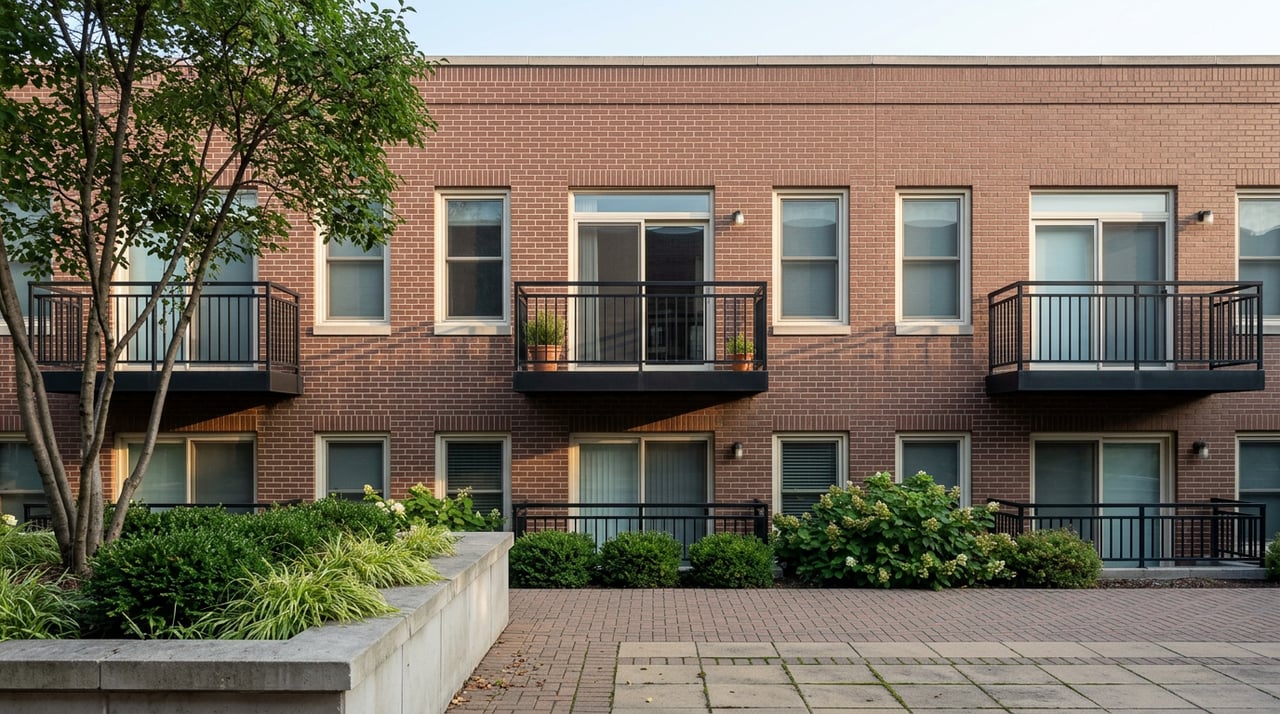
The certificate has to include the master deed and bylaws, current financial statements, recent board and owner meeting minutes, the status of current and any special assessments, pending litigation involving the association, the reserve study, and the rules and regulations that will govern how you live there. In a building like Altavista, a 26-story tower above the Ballston Metro built in 1989 with 277 units, or a smaller boutique building like The Berkeley a few blocks away, that packet reads very differently depending on the age of the roof, the elevators, and the reserve account behind them.
This is the document a Maryland or DC transplant is least prepared for, because it doesn't resemble anything in a single-family closing. It's association paperwork, not seller paperwork, and it comes with its own legal clock.
The Clock Nobody Explains
Once a resale certificate is requested, the condo association has 14 days to deliver it. The seller pays for it, and Virginia caps what the preparer can charge: roughly $176 for a paper copy, a bit less for electronic delivery, plus an optional expedite fee of about $59 if you need it inside five business days. After the buyer receives the certificate, there's a three-day right to cancel the contract.
Compare that to DC, where a condo resale package is generally due within 10 business days of contract ratification, followed by a three-business-day review window. The timelines aren't identical, and the difference matters if you're used to one jurisdiction's rhythm and closing in the other.
Here's where it typically goes wrong in Arlington. A buyer and seller ratify a contract with a standard 30 to 45 day closing. Nobody requests the resale certificate until after ratification, because that's the habit carried over from a market where the seller disclosure was the only document that mattered. The association takes the full 14 days. The buyer's three-day cancellation window doesn't even start until the certificate arrives, sometimes two weeks into a contract that's already ticking toward a mortgage commitment date. If the certificate reveals a funding shortfall or a pending special assessment, there's now very little runway to renegotiate before other deadlines start colliding.
The fix is simple and almost nobody does it: request the certificate the day the listing agreement is signed, not the day the contract is ratified. Sellers who order it early hand buyers time to actually read it instead of skimming it under pressure.
Why the Numbers Inside It Matter More Right Now
A resale certificate that shows a fully funded reserve account and no pending litigation is a very different building than one with a reserve study showing the association is underfunded and a special assessment already approved. That distinction has always mattered. It matters more with condo prices behaving the way they have across Arlington.
Countywide, condo prices declined about 7.4% in 2025, the softest of any property type in the market, with only modest recovery projected for 2026. Some of that softness wasn't uniform. In the Ballston corridor specifically, certain segments saw price declines as steep as 28.7% during 2025, though part of that reflects a shift toward smaller, lower-priced units selling rather than a uniform drop across every unit type. Across the broader Rosslyn to Ballston Metro corridor, which includes Courthouse, Clarendon, and Virginia Square, building quality and association financial health are increasingly what separates units that hold value from units that don't.
That's the argument for reading the resale certificate line by line instead of treating it as a formality. In a rising market, a thin reserve fund gets papered over by appreciation. In a market where condo values are still finding their footing, the percent-funded figure in the reserve study and the presence or absence of a pending special assessment are two of the clearest signals available about whether a building is likely to need owner contributions in the near term.
Before You Write the Offer, or Sign the Listing Agreement
A few habits make this process work in your favor instead of against you.
- If you're buying, ask your agent to request the resale certificate the moment you're under contract, not after inspection contingencies are already running.
- If you're selling, order the certificate the day you sign the listing agreement. A buyer with more time to review is a buyer less likely to get cold feet at the eleventh hour.
- Read the reserve study's percent-funded figure before you read anything else in the packet. It tells you more about the building's near-term financial pressure than the meeting minutes do.
- Check the special assessment section specifically, not just for pending assessments but for ones the board has discussed and not yet voted on.
- If the certificate arrives late, past the 14-day window, treat that as a signal worth investigating rather than a paperwork delay to shrug off.
Virginia's own disclosure form was updated as recently as July 1, 2026, with additional statutory amendments scheduled to take effect January 1, 2027. If you're closing near that date, it's worth confirming with your agent which version of the form applies to your transaction.
A Few Questions Buyers Ask
Does caveat emptor mean a Virginia seller can hide a known problem? No. Sellers can't lie or actively conceal a defect, and they must answer direct questions honestly. What they don't have to do is volunteer information about a problem you never asked about. That's the real distinction from Maryland or DC.
What happens if the resale certificate never shows up within 14 days? The certificate is treated as unavailable if it isn't delivered within the statutory window. That's worth flagging to your agent immediately, since it can affect your negotiating position and your right to cancel.
Is the $176 fee cap the same everywhere in Arlington? The cap is set by state law and applies statewide, though it adjusts periodically. Some preparers quote higher figures to sellers, so it's worth confirming the fee charged actually matches the statutory maximum before it's deducted from settlement proceeds.
Buying or selling a condo across the Maryland, DC, and Virginia line involves more moving parts than the price on the listing suggests. If you want a second set of eyes on a resale certificate before you commit, or you're weighing an Arlington condo against alternatives across the river, Floyd Gómez-Starnes is licensed in all three jurisdictions and happy to walk through what the paperwork actually means for your specific building. Let's Connect.